 English
 Español (Spanish)

Intersectional Feminism, Feminist Funds, and the Power of Long-Term Change in Puerto Rico
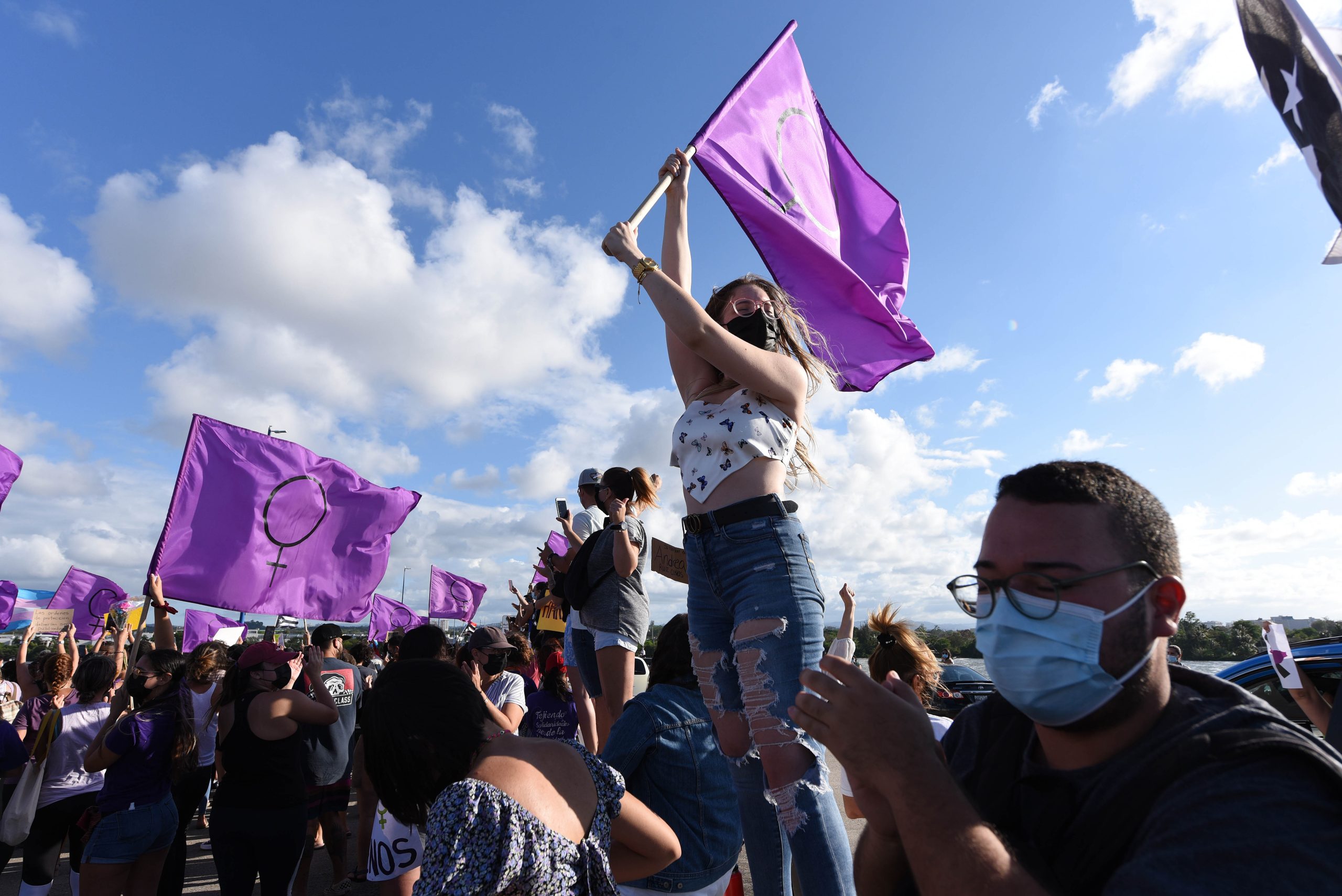
Photo from the archive of Ana María Abruña Reyes, Todas PR (https://todaspr.com/)
Why Intersectional Feminism Matters in Philanthropy Today
For foundations seeking to advance gender justice, racial equity, and climate resilience in Puerto Rico, intersectional feminism offers both a framework and a roadmap for meaningful, long-term impact.
On October 25, 2023, Fundación de Mujeres en Puerto Rico participated in a panel titled Centering Intersectional Feminism in Philanthropy and Beyond, hosted by the Women’s Funding Network (WFN). The conversation brought together feminist funders working across regions to examine how philanthropic strategies can more effectively address systemic inequality, chronic underinvestment, and compounding crises—particularly in historically marginalized and climate-vulnerable communities.
The panel featured leaders from Women’s Funding Network, Women’s Foundation of the South, and Fundación de Mujeres en Puerto Rico, each contributing regional insights grounded in decades of movement-building and trust-based philanthropy. Together, we explored how intersectional approaches can strengthen funding decisions, shift power, and ensure that resources reach the communities most impacted by injustice.
Women’s Funding Network (WFN) is the world’s largest philanthropic network dedicated to gender justice, connecting and supporting funders globally to advance equity and opportunity.
Women’s Foundation of the South mobilizes resources for women and gender-expansive people across the U.S. South—one of the most underfunded regions in the United States.
Fundación de Mujeres en Puerto Rico is a feminist philanthropic organization focused on strengthening grassroots leadership, organizational sustainability, and long-term movement infrastructure across Puerto Rico through trust-based and flexible funding.
The conversation reaffirmed a core truth for feminist funds: lasting change requires more than crisis response—it requires sustained, intersectional investment in people and movements.
Intersectional Feminism as a Strategy for Gender and Racial Equity
Intersectional feminism recognizes that gender inequality does not exist in isolation. Gender is shaped by race, class, sexuality, disability, migration status, geography, and colonial histories—particularly in places like Puerto Rico, where structural inequities are intensified by economic precarity and climate vulnerability.
For philanthropy, an intersectional lens challenges foundations to move beyond one-size-fits-all solutions and instead ask critical questions:
Who is most impacted by injustice?
Whose leadership is under-resourced?
How do funding practices reinforce—or dismantle—existing power structures?
Funding decisions are never neutral. When foundations integrate intersectional analysis into their strategies, they are better positioned to support solutions that reflect lived realities and advance meaningful gender and racial equity.
Moving Beyond Disaster Response Toward Long-Term Investment
In Puerto Rico and across the Caribbean, disasters—whether hurricanes, economic shocks, or public health crises—reveal deep, pre-existing inequalities. Women, trans and nonbinary people, Black and Indigenous communities, migrants, and people living in poverty are often the most affected, yet the least supported during recovery.
While emergency funding is essential, feminist philanthropy insists on going further. Long-term change requires sustained investment in grassroots leadership, community organizing, and organizational infrastructure before, during, and after crises.
This means funding:
- Community-led recovery and healing
- Gender-based violence prevention
- Economic autonomy and care systems
- Climate resilience rooted in local knowledge
For foundations committed to impact, investing beyond disaster response is not optional—it is necessary to transform the conditions that make crises so devastating in the first place.
The Role of Feminist and Women’s Funds in Advancing Change
Feminist and women’s funds play a critical role in the philanthropic ecosystem by resourcing organizations and movements that are often excluded from mainstream funding. These funds prioritize movement accountability, trust-based relationships, and flexible funding, recognizing grassroots leaders as experts rather than beneficiaries.
What makes feminist funds especially effective is not only what they fund, but how they fund:
- Unrestricted or flexible grants
- Participatory grantmaking
- Long-term partnerships rooted in trust
By moving resources to the margins—where innovation and resistance already exist—feminist funds help build collective power capable of challenging patriarchy, racism, colonialism, and economic injustice.
A Feminist, Trust-Based Approach to Philanthropy
A feminist approach to philanthropy centers power-sharing, transparency, and accountability. It asks foundations to examine their own role within systems of inequality and to fund in ways that prioritize learning, relationships, and community leadership.
Rather than imposing solutions, feminist philanthropy supports communities in defining and leading their own futures. For funders seeking sustainable outcomes in Puerto Rico and other underfunded regions, this approach offers not only effectiveness, but alignment with values of equity and justice.
In a world shaped by overlapping crises—economic, environmental, and social—feminist philanthropy offers a clear vision: one rooted in intersectionality, long-term investment, and collective liberation.
Conclusion: Partnering for Gender Justice in Puerto Rico and Beyond
At Fundación de Mujeres en Puerto Rico, we believe foundations have a unique opportunity—and responsibility—to support intersectional, trust-based approaches that strengthen gender justice movements in historically underfunded and climate-vulnerable regions.
As challenges intensify across the Caribbean and beyond, feminist funds remain essential partners in ensuring that resources reach grassroots leaders building resilience, safety, and long-term social change.
If your foundation is interested in conversations or panels focused on funding the Caribbean, underfunded regions, or climate-vulnerable communities through an intersectional, feminist, and trust-based lens, we welcome the opportunity to collaborate.
Please contact us at admin@fmnpr.org.